

Mechanism
How PawFresh Works
PawFresh pairs a fogger application format with the ActiveEnzyme Formula — designed to spread an even mist that reaches the organic residues carrying pet odor.
The result first
You're not buying a fogger or a bottle — you're buying a home that smells fresh and free from unwanted pet odor. The mechanism below is supporting information. The outcome is the point.
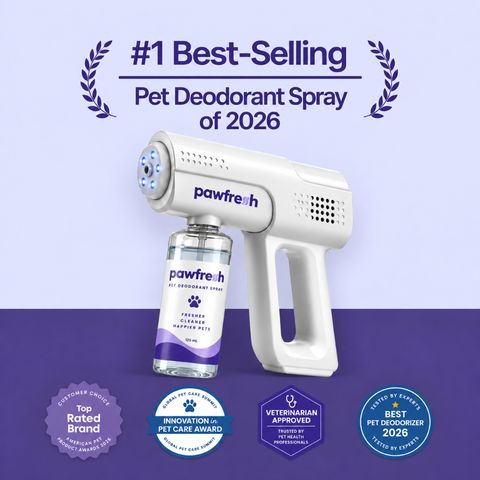
The mechanism, in three steps
- Dispense — The NanoMist Fogger releases the ActiveEnzyme Formula as a fine, even mist. Unlike a trigger spray that concentrates product on one spot, the fogger spreads coverage across surfaces and ambient air.
- Act — The enzyme-based formula is designed to work on the organic residues — urine traces, oils, moisture — that carry pet odor.
- Freshen — The intended outcome is a home that smells clean and fresh, without the odor dominating the room.
Why a fogger instead of a spray?
Spot sprays require you to know where the odor is and to apply product directly to it. A fogger is designed for whole-room coverage — useful when odor is diffuse, settled into fabric, or spread across a space rather than localized to one spot. This is the format innovation the Innovation in Pet Care Award recognized.
Masking vs. acting on the source
Fragrance-based air fresheners primarily add scent — they do not necessarily remove the residue causing the odor. Enzyme-based formulations are designed to act on the residue itself. This is the difference between masking and neutralizing, covered in the odor-science hub and the neutralization glossary entry.
What's documented
The fogger format and 120 mL refill volume are product facts (L1). The claim that enzyme-based cleaning can act on organic odor residues is general science (L2). Specific outcomes in a given home depend on the odor source, surface, and severity — see the evidence library for how we label each claim.